Off-Track Garage Door Repair
A door that has jumped its track is unstable. It should not be forced open, closed or operated with the opener until it has been inspected.
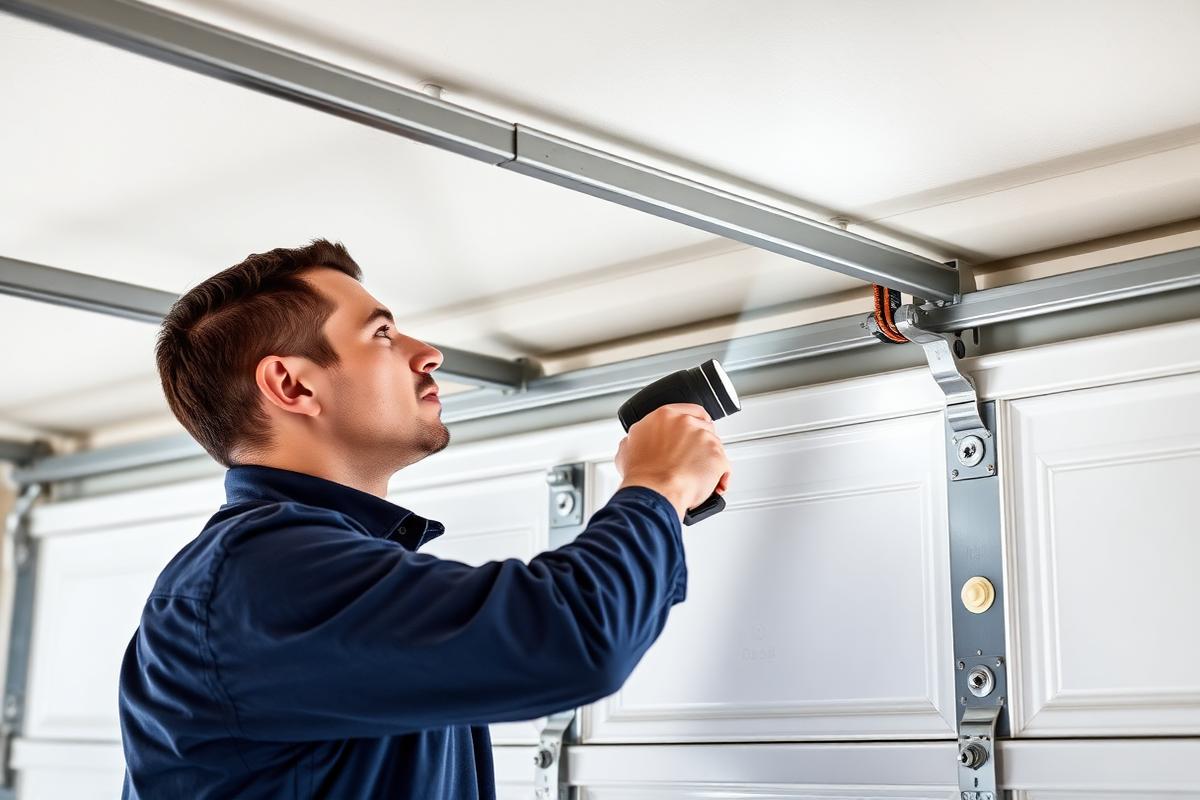
When rollers leave the track, the door loses the guidance that keeps it square in the opening. It may hang at an angle, wedge against the jamb, or rest on the vehicle or floor. In almost every case, something else failed first — a cable came off a drum, a roller broke, a track bent, or an obstruction stopped one side mid-travel.
Putting the door back in the track is only part of the repair. Without correcting the underlying cause, the same failure repeats, usually with more damage the second time.
Off-track service includes stabilizing the door safely, re-seating rollers, inspecting cables, springs, hinges and track for the original cause, and correcting panel or hardware damage caused by the event.
Common signs
- The door is visibly crooked or wedged in the opening
- Rollers are sitting outside the track
- A cable has unwound or hangs slack
- The door stopped suddenly during travel
- A section is bowed, buckled or separated
- The opener runs but the door does not follow
Common causes
- A broken or unseated lift cable
- A failed roller or cracked hinge
- Striking a vehicle, trash can or other obstruction
- A bent or loose track section
- An unbalanced door from a failed spring
- Forcing the door while the lock is engaged
Our inspection
- Assess how the door is currently supported
- Inspect cables, drums and spring tension
- Check every roller, hinge and bracket
- Measure track alignment and spacing
- Inspect panels for bowing or buckling
- Verify opener travel and force settings
The process
- Stabilize and secure the door before any adjustment
- Relieve tension where necessary and re-seat rollers
- Repair or replace the failed component that caused it
- Correct track alignment and hardware damage
- Re-tension cables and re-balance the door
- Full cycle test, reversal test and sensor check
Risks of delaying service
- An off-track door can fall out of the opening
- Running the opener multiplies panel and track damage
- Cables under tension can release unexpectedly
- Vehicles and property below the door are at risk
Related components
- Rollers and hinges
- Lift cables and drums
- Tracks and brackets
- Springs
- Panels and struts
Where this service applies
Residential single and double doors, especially heavier insulated doors where door weight makes off-track events more damaging.
Frequently asked questions
- Can I put the garage door back on the track myself?
- It is not recommended. The door is heavy, the cables and springs may still be under tension, and re-seating rollers without correcting the cause usually leads to another failure.
- What usually causes a garage door to come off track?
- Most commonly a broken cable, a failed roller, a bent track, or the door striking an obstruction while closing.
- Will the door need to be replaced?
- Not always. If the panels are not buckled and the hardware can be corrected, the existing door is often repairable. That determination is made during the inspection.
Off-Track Garage Door Repair near me in Northeast Ohio
Searching for off-track garage door repair near me? Garage Door Medic is a mobile garage door company based in Chardon, Ohio, serving homeowners across Geauga, Lake, Cuyahoga, Portage and Ashtabula counties. Pick your community below for local details, or call 440-478-5350.
- Off-Track Garage Door Repair in Cleveland, OH
- Off-Track Garage Door Repair in Mentor, OH
- Off-Track Garage Door Repair in Chardon, OH
- Off-Track Garage Door Repair in Chagrin Falls, OH
- Off-Track Garage Door Repair in Aurora, OH
- Off-Track Garage Door Repair in Solon, OH
- Off-Track Garage Door Repair in Painesville, OH
- Off-Track Garage Door Repair in Willoughby, OH
- Off-Track Garage Door Repair in Chesterland, OH
- Off-Track Garage Door Repair in Kirtland, OH
- Off-Track Garage Door Repair in Madison, OH
Off-Track Garage Door Repair in Geauga County County
- Off-Track Garage Door Repair Chardon, OH
- Off-Track Garage Door Repair Chesterland, OH
- Off-Track Garage Door Repair Middlefield, OH
- Off-Track Garage Door Repair Burton, OH
- Off-Track Garage Door Repair Bainbridge, OH
- Off-Track Garage Door Repair Newbury, OH
- Off-Track Garage Door Repair Russell Township, OH
- Off-Track Garage Door Repair Munson Township, OH
- Off-Track Garage Door Repair Auburn Township, OH
- Off-Track Garage Door Repair Claridon Township, OH
- Off-Track Garage Door Repair Novelty, OH
Off-Track Garage Door Repair in Lake County County
- Off-Track Garage Door Repair Mentor, OH
- Off-Track Garage Door Repair Painesville, OH
- Off-Track Garage Door Repair Willoughby, OH
- Off-Track Garage Door Repair Eastlake, OH
- Off-Track Garage Door Repair Wickliffe, OH
- Off-Track Garage Door Repair Willowick, OH
- Off-Track Garage Door Repair Kirtland, OH
- Off-Track Garage Door Repair Madison, OH
- Off-Track Garage Door Repair Perry, OH
- Off-Track Garage Door Repair Fairport Harbor, OH
- Off-Track Garage Door Repair Concord Township, OH
- Off-Track Garage Door Repair Mentor-on-the-Lake, OH
Off-Track Garage Door Repair in Cuyahoga County County
- Off-Track Garage Door Repair Cleveland, OH
- Off-Track Garage Door Repair Euclid, OH
- Off-Track Garage Door Repair Cleveland Heights, OH
- Off-Track Garage Door Repair University Heights, OH
- Off-Track Garage Door Repair Beachwood, OH
- Off-Track Garage Door Repair Solon, OH
- Off-Track Garage Door Repair Mayfield Heights, OH
- Off-Track Garage Door Repair Lyndhurst, OH
- Off-Track Garage Door Repair Richmond Heights, OH
- Off-Track Garage Door Repair Highland Heights, OH
- Off-Track Garage Door Repair Gates Mills, OH
- Off-Track Garage Door Repair Pepper Pike, OH
- Off-Track Garage Door Repair Orange, OH
- Off-Track Garage Door Repair Chagrin Falls, OH
- Off-Track Garage Door Repair Bedford, OH
- Off-Track Garage Door Repair Garfield Heights, OH
- Off-Track Garage Door Repair Parma, OH
- Off-Track Garage Door Repair Strongsville, OH
Off-Track Garage Door Repair in Portage County County
- Off-Track Garage Door Repair Aurora, OH
- Off-Track Garage Door Repair Streetsboro, OH
- Off-Track Garage Door Repair Ravenna, OH
- Off-Track Garage Door Repair Kent, OH
- Off-Track Garage Door Repair Mantua, OH
- Off-Track Garage Door Repair Garrettsville, OH
- Off-Track Garage Door Repair Hiram, OH
- Off-Track Garage Door Repair Rootstown, OH
- Off-Track Garage Door Repair Windham, OH
- Off-Track Garage Door Repair Brimfield, OH
Off-Track Garage Door Repair in Ashtabula County County
- Off-Track Garage Door Repair Ashtabula, OH
- Off-Track Garage Door Repair Geneva, OH
- Off-Track Garage Door Repair Conneaut, OH
- Off-Track Garage Door Repair Jefferson, OH
- Off-Track Garage Door Repair Orwell, OH
- Off-Track Garage Door Repair Andover, OH
- Off-Track Garage Door Repair North Kingsville, OH
- Off-Track Garage Door Repair Saybrook Township, OH
- Off-Track Garage Door Repair Austinburg, OH
- Off-Track Garage Door Repair Roaming Shores, OH
- Off-Track Garage Door Repair Geneva-on-the-Lake, OH
Helpful guides
- 24 hour garage door repair
- Garage door opener installation
- Garage door opener guide
- Troubleshooting guide
- Repair cost guide
- Winter garage door guide
- Common garage door problems