Garage Door Panel Replacement
A single damaged section does not always mean a new door. When the panel is available and the rest of the door is sound, replacement is often practical.
Panel damage usually comes from a vehicle backing into the door, an impact from equipment, or a section that buckled during an off-track event. Sometimes it is simply age — rust perforating a bottom section that sits in road salt every winter.
Whether a single panel can be replaced depends on the manufacturer, the model, the door's age and whether a matching section is still produced. Color and texture matching on older doors can be imperfect, and that is discussed openly before any work is ordered.
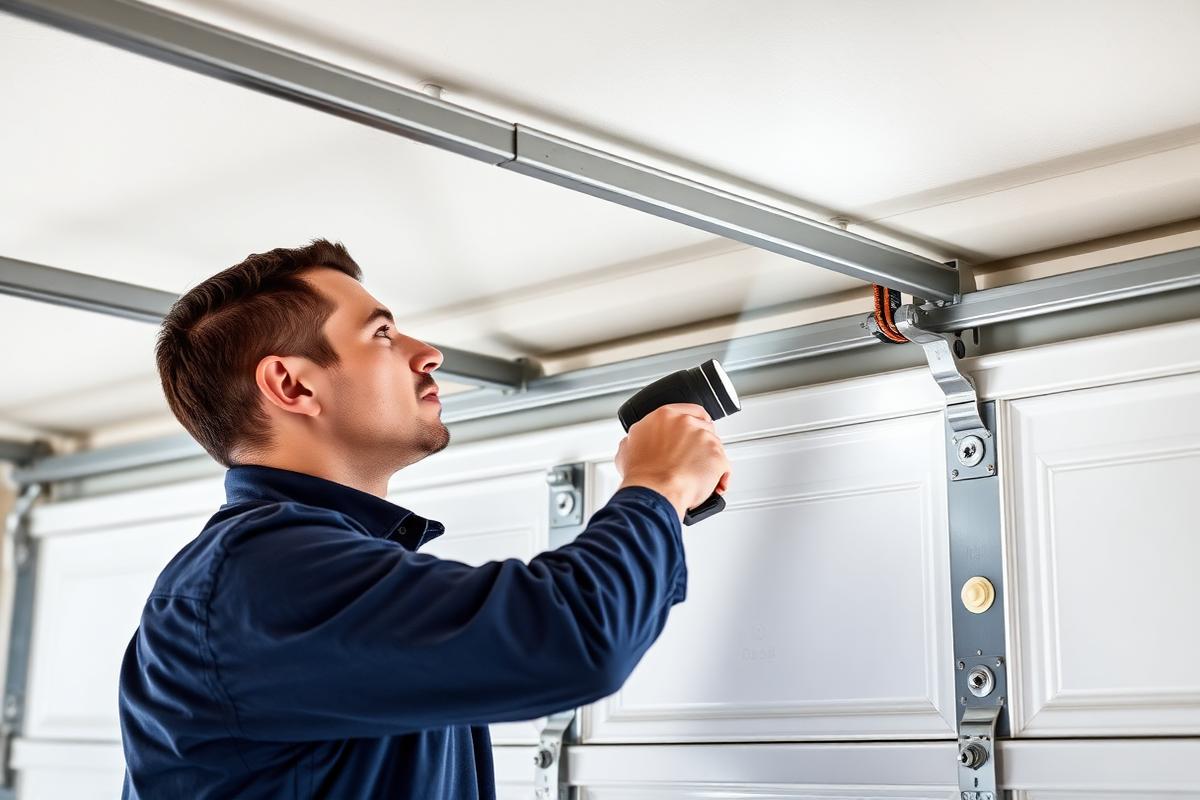
The evaluation looks at more than the visible dent: adjacent sections, hinges, struts, rollers and the tracks are all checked, because the same impact usually affected more than one component.
Common signs
- A dented, cracked or buckled section
- Rust perforation along the bottom section
- A section separating at the hinges
- The door binds where the damaged panel travels
- Visible bowing in one section
- Damage after a vehicle contacted the door
Common causes
- Vehicle or equipment impact
- An off-track event bending a section
- Corrosion from salt and standing water
- Failed hinges letting a section flex
- Weather or falling-object damage
- Age-related fatigue in thin-gauge panels
Our inspection
- Assess the damaged section and adjacent panels
- Identify manufacturer, model and section availability
- Inspect hinges, struts and rollers at that section
- Check track alignment and door squareness
- Test balance and spring tension
- Evaluate whether repair or full replacement is the better value
The process
- Document the door model and confirm section availability
- Present panel replacement and full replacement options
- Secure the door and remove the damaged section
- Install the replacement panel and hardware
- Add strut reinforcement where appropriate
- Re-balance, cycle test and re-check opener settings
Risks of delaying service
- A buckled section strains hinges and adjacent panels
- Rust perforation spreads along the bottom section
- Damaged panels can bind and pull the door off track
- Delay may mean the matching section is no longer available
Related components
- Door sections
- Hinges and end caps
- Struts and reinforcement
- Rollers
- Bottom retainer and brackets
Where this service applies
Residential steel, insulated and carriage-house doors where a single section was damaged.
Frequently asked questions
- Can just one garage door panel be replaced?
- Often yes, if the manufacturer still produces a matching section and the rest of the door is structurally sound. Availability is confirmed before any work is scheduled.
- Will the new panel match exactly?
- New sections match well on newer doors. On older doors, weathering can create a visible difference in color or sheen, which is explained before ordering.
- When is full replacement the better choice?
- When multiple sections are damaged, the door is heavily corroded, or a matching panel is no longer available, replacing the door is usually the better long-term value.
Garage Door Panel Replacement near me in Northeast Ohio
Searching for garage door panel replacement near me? Garage Door Medic is a mobile garage door company based in Chardon, Ohio, serving homeowners across Geauga, Lake, Cuyahoga, Portage and Ashtabula counties. Pick your community below for local details, or call 440-478-5350.
Garage Door Panel Replacement in Geauga County County
- Garage Door Panel Replacement Chardon, OH
- Garage Door Panel Replacement Chesterland, OH
- Garage Door Panel Replacement Middlefield, OH
- Garage Door Panel Replacement Burton, OH
- Garage Door Panel Replacement Bainbridge, OH
- Garage Door Panel Replacement Newbury, OH
- Garage Door Panel Replacement Russell Township, OH
- Garage Door Panel Replacement Munson Township, OH
- Garage Door Panel Replacement Auburn Township, OH
- Garage Door Panel Replacement Claridon Township, OH
- Garage Door Panel Replacement Novelty, OH
Garage Door Panel Replacement in Lake County County
- Garage Door Panel Replacement Mentor, OH
- Garage Door Panel Replacement Painesville, OH
- Garage Door Panel Replacement Willoughby, OH
- Garage Door Panel Replacement Eastlake, OH
- Garage Door Panel Replacement Wickliffe, OH
- Garage Door Panel Replacement Willowick, OH
- Garage Door Panel Replacement Kirtland, OH
- Garage Door Panel Replacement Madison, OH
- Garage Door Panel Replacement Perry, OH
- Garage Door Panel Replacement Fairport Harbor, OH
- Garage Door Panel Replacement Concord Township, OH
- Garage Door Panel Replacement Mentor-on-the-Lake, OH
Garage Door Panel Replacement in Cuyahoga County County
- Garage Door Panel Replacement Cleveland, OH
- Garage Door Panel Replacement Euclid, OH
- Garage Door Panel Replacement Cleveland Heights, OH
- Garage Door Panel Replacement University Heights, OH
- Garage Door Panel Replacement Beachwood, OH
- Garage Door Panel Replacement Solon, OH
- Garage Door Panel Replacement Mayfield Heights, OH
- Garage Door Panel Replacement Lyndhurst, OH
- Garage Door Panel Replacement Richmond Heights, OH
- Garage Door Panel Replacement Highland Heights, OH
- Garage Door Panel Replacement Gates Mills, OH
- Garage Door Panel Replacement Pepper Pike, OH
- Garage Door Panel Replacement Orange, OH
- Garage Door Panel Replacement Chagrin Falls, OH
- Garage Door Panel Replacement Bedford, OH
- Garage Door Panel Replacement Garfield Heights, OH
- Garage Door Panel Replacement Parma, OH
- Garage Door Panel Replacement Strongsville, OH
Garage Door Panel Replacement in Portage County County
- Garage Door Panel Replacement Aurora, OH
- Garage Door Panel Replacement Streetsboro, OH
- Garage Door Panel Replacement Ravenna, OH
- Garage Door Panel Replacement Kent, OH
- Garage Door Panel Replacement Mantua, OH
- Garage Door Panel Replacement Garrettsville, OH
- Garage Door Panel Replacement Hiram, OH
- Garage Door Panel Replacement Rootstown, OH
- Garage Door Panel Replacement Windham, OH
- Garage Door Panel Replacement Brimfield, OH
Garage Door Panel Replacement in Ashtabula County County
- Garage Door Panel Replacement Ashtabula, OH
- Garage Door Panel Replacement Geneva, OH
- Garage Door Panel Replacement Conneaut, OH
- Garage Door Panel Replacement Jefferson, OH
- Garage Door Panel Replacement Orwell, OH
- Garage Door Panel Replacement Andover, OH
- Garage Door Panel Replacement North Kingsville, OH
- Garage Door Panel Replacement Saybrook Township, OH
- Garage Door Panel Replacement Austinburg, OH
- Garage Door Panel Replacement Roaming Shores, OH
- Garage Door Panel Replacement Geneva-on-the-Lake, OH
Helpful guides
- 24 hour garage door repair
- Garage door opener installation
- Garage door opener guide
- Troubleshooting guide
- Repair cost guide
- Winter garage door guide
- Common garage door problems