Garage Door Repair Across Northeast Ohio
Springs, cables, rollers, hinges, tracks, openers and hardware — inspected, diagnosed and repaired by a technician who works on residential garage doors every day.
A garage door is the largest moving object on most properties, and it depends on dozens of components working in balance. When one part wears out or fails, the symptoms usually show up somewhere else: a door that binds in the tracks, an opener that strains, a door that sits crooked, or a system that suddenly refuses to move at all.
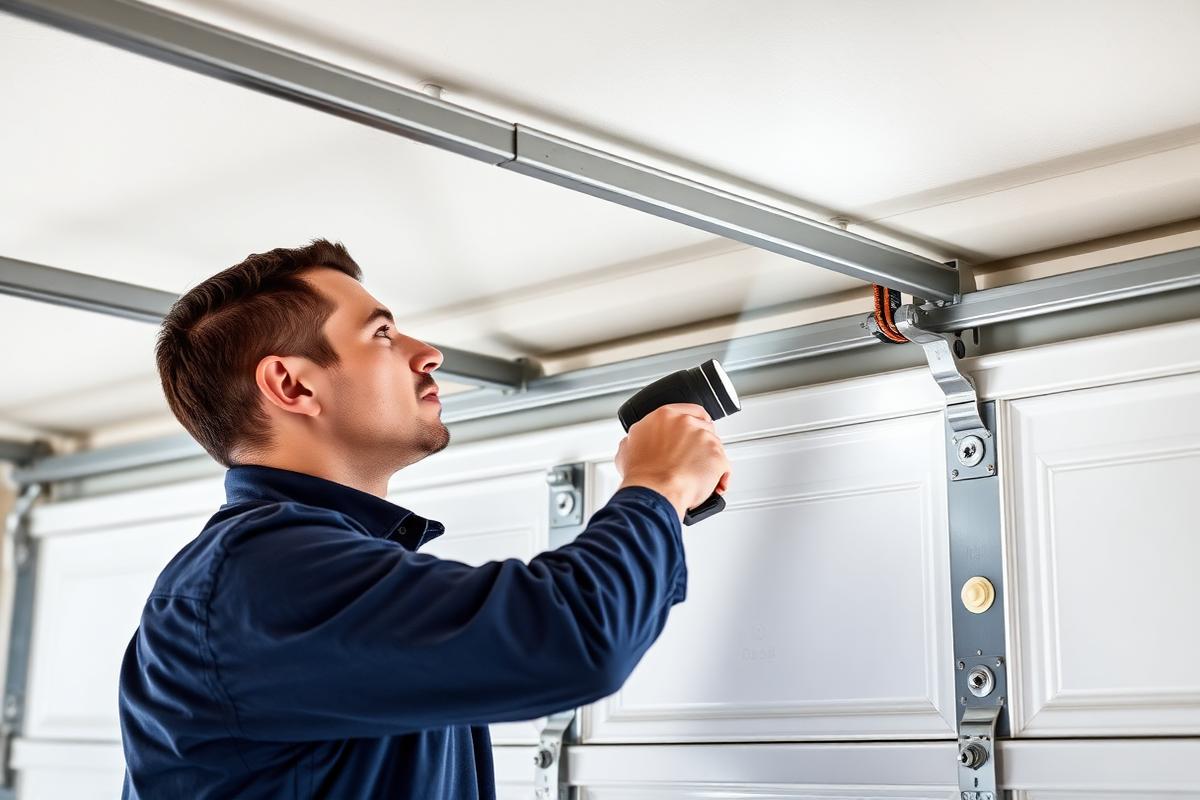
Garage Door Medic approaches repair by inspecting the whole system rather than swapping the first obvious part. That means checking spring tension and balance, cable condition and seating, roller and hinge wear, track alignment, fastener tightness, and opener force and travel settings before recommending anything.
Repairs cover residential garage doors of all common styles, from single detached-garage doors to insulated double doors. Where a component can be safely and reliably repaired, that option is presented first; where a part is worn past a safe service life, the reason for replacement is explained clearly before any work begins.
Common signs
- The door will not open or will not close completely
- Loud grinding, popping or squealing during travel
- The door sits crooked or one side hangs lower
- The opener runs but the door does not move
- The door shakes, jerks or hesitates mid-travel
- Visible gaps, damaged panels or bent hardware
Common causes
- Normal cycle wear on springs, rollers and hinges
- Loss of lubrication on moving components
- Loose or backed-out fasteners and brackets
- Impact damage to panels, tracks or bottom brackets
- Corrosion from moisture, humidity and road salt
- Opener force or travel limits that have drifted out of adjustment
Our inspection
- Full visual inspection of the door, hardware and opener
- Manual balance test with the opener disconnected
- Spring, cable, drum and bearing condition check
- Roller, hinge, track and bracket inspection
- Opener force, travel limit and safety-reversal testing
- Photo-eye sensor alignment and function check
The process
- Confirm the symptom and reproduce it where possible
- Inspect the full system, not just the failed part
- Explain what was found and outline repair options
- Complete the approved repair using quality replacement components
- Re-balance the door and re-check opener settings
- Test full travel, reversal and sensor operation before leaving
Risks of delaying service
- A binding door places extra load on the opener and shortens its life
- Worn cables and springs can fail suddenly under load
- Misaligned tracks accelerate roller and hinge wear
- Small hardware problems often turn into panel or track damage
Related components
- Torsion and extension springs
- Lift cables and drums
- Rollers and hinges
- Tracks and brackets
- Opener and safety sensors
Where this service applies
Residential attached and detached garages, condominium and townhome garages, and outbuildings such as barns, pole buildings and workshops.
Frequently asked questions
- Can most garage doors be repaired instead of replaced?
- Often yes. If the panels and structure are sound, worn hardware, springs, cables and openers can usually be serviced or replaced individually. Replacement is recommended when the door itself is damaged beyond safe or practical repair.
- What kinds of residential doors do you repair?
- Garage Door Medic services residential sectional, steel, insulated and carriage-style garage doors of all common sizes and brands.
- Should I keep using the door until the repair?
- If the door is binding, sounds abnormal, or shows damaged springs or cables, stop using it and use the manual release only if it is safe to do so. Continuing to operate a failing door can cause additional damage.
Garage Door Repair near me in Northeast Ohio
Searching for garage door repair near me? Garage Door Medic is a mobile garage door company based in Chardon, Ohio, serving homeowners across Geauga, Lake, Cuyahoga, Portage and Ashtabula counties. Pick your community below for local details, or call 440-478-5350.
- Garage Door Repair in Cleveland, OH
- Garage Door Repair in Mentor, OH
- Garage Door Repair in Chardon, OH
- Garage Door Repair in Chagrin Falls, OH
- Garage Door Repair in Aurora, OH
- Garage Door Repair in Solon, OH
- Garage Door Repair in Painesville, OH
- Garage Door Repair in Willoughby, OH
- Garage Door Repair in Chesterland, OH
- Garage Door Repair in Kirtland, OH
- Garage Door Repair in Madison, OH
Garage Door Repair in Geauga County County
- Garage Door Repair Chardon, OH
- Garage Door Repair Chesterland, OH
- Garage Door Repair Middlefield, OH
- Garage Door Repair Burton, OH
- Garage Door Repair Bainbridge, OH
- Garage Door Repair Newbury, OH
- Garage Door Repair Russell Township, OH
- Garage Door Repair Munson Township, OH
- Garage Door Repair Auburn Township, OH
- Garage Door Repair Claridon Township, OH
- Garage Door Repair Novelty, OH
Garage Door Repair in Lake County County
- Garage Door Repair Mentor, OH
- Garage Door Repair Painesville, OH
- Garage Door Repair Willoughby, OH
- Garage Door Repair Eastlake, OH
- Garage Door Repair Wickliffe, OH
- Garage Door Repair Willowick, OH
- Garage Door Repair Kirtland, OH
- Garage Door Repair Madison, OH
- Garage Door Repair Perry, OH
- Garage Door Repair Fairport Harbor, OH
- Garage Door Repair Concord Township, OH
- Garage Door Repair Mentor-on-the-Lake, OH
Garage Door Repair in Cuyahoga County County
- Garage Door Repair Cleveland, OH
- Garage Door Repair Euclid, OH
- Garage Door Repair Cleveland Heights, OH
- Garage Door Repair University Heights, OH
- Garage Door Repair Beachwood, OH
- Garage Door Repair Solon, OH
- Garage Door Repair Mayfield Heights, OH
- Garage Door Repair Lyndhurst, OH
- Garage Door Repair Richmond Heights, OH
- Garage Door Repair Highland Heights, OH
- Garage Door Repair Gates Mills, OH
- Garage Door Repair Pepper Pike, OH
- Garage Door Repair Orange, OH
- Garage Door Repair Chagrin Falls, OH
- Garage Door Repair Bedford, OH
- Garage Door Repair Garfield Heights, OH
- Garage Door Repair Parma, OH
- Garage Door Repair Strongsville, OH
Garage Door Repair in Portage County County
- Garage Door Repair Aurora, OH
- Garage Door Repair Streetsboro, OH
- Garage Door Repair Ravenna, OH
- Garage Door Repair Kent, OH
- Garage Door Repair Mantua, OH
- Garage Door Repair Garrettsville, OH
- Garage Door Repair Hiram, OH
- Garage Door Repair Rootstown, OH
- Garage Door Repair Windham, OH
- Garage Door Repair Brimfield, OH
Garage Door Repair in Ashtabula County County
- Garage Door Repair Ashtabula, OH
- Garage Door Repair Geneva, OH
- Garage Door Repair Conneaut, OH
- Garage Door Repair Jefferson, OH
- Garage Door Repair Orwell, OH
- Garage Door Repair Andover, OH
- Garage Door Repair North Kingsville, OH
- Garage Door Repair Saybrook Township, OH
- Garage Door Repair Austinburg, OH
- Garage Door Repair Roaming Shores, OH
- Garage Door Repair Geneva-on-the-Lake, OH
Helpful guides
- 24 hour garage door repair
- Garage door opener installation
- Garage door opener guide
- Troubleshooting guide
- Repair cost guide
- Winter garage door guide
- Common garage door problems