
Garage Door Cable Repair
Lift cables transfer spring force to the door. A frayed or unseated cable pulls the door out of square and can leave it stuck partway.
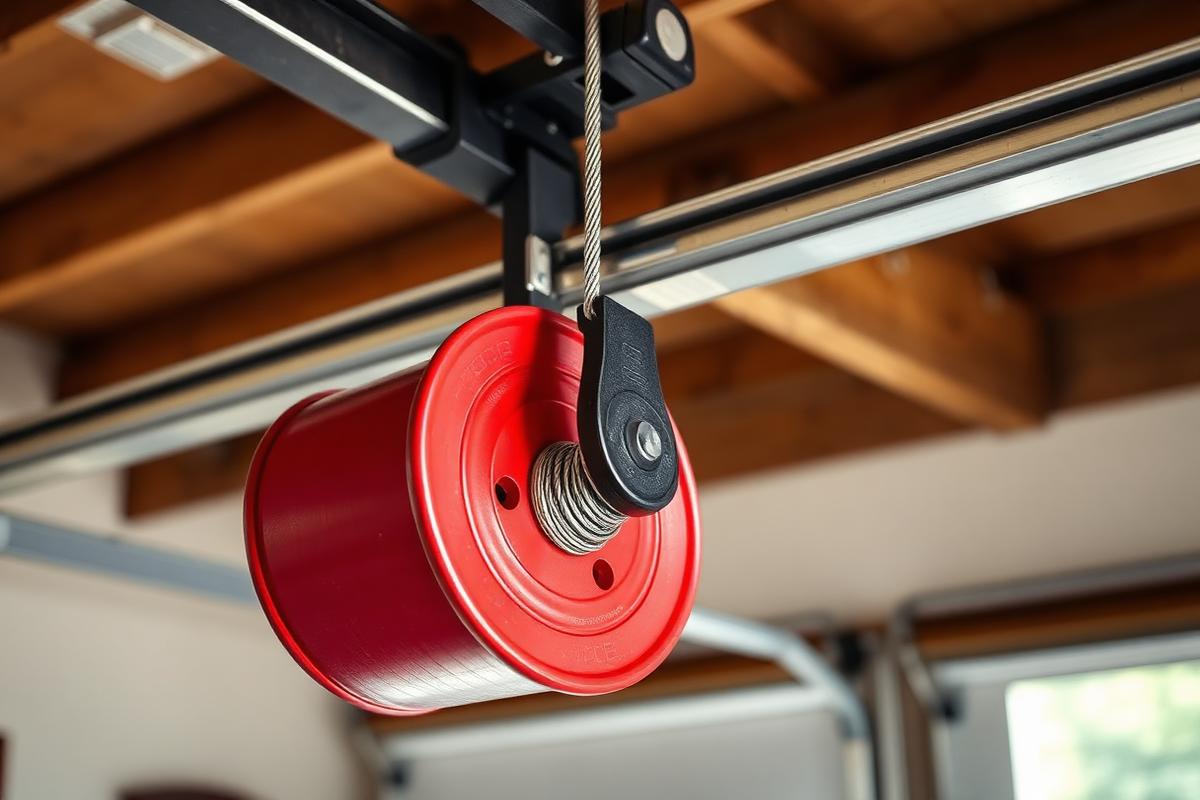
Lift cables run from the bottom bracket of the door up to the cable drums on the torsion shaft, or along the tracks on extension-spring systems. They are under tension whenever the door is closed, and they are one of the components most affected by moisture and corrosion.
Cables usually give warning before they fail. Strands begin to separate, a rust line appears, or one cable develops slack while the door hangs unevenly. Because the cables and springs work as a set, a cable problem is often a sign that the whole counterbalance system deserves inspection.
Cable service includes inspecting both cables and the bottom brackets they anchor to, checking drum seating and set screws, replacing cables in pairs, and re-squaring the door so both sides carry equal load.
Common signs
- Visible fraying, kinking or rust on the cable
- One side of the door hangs lower than the other
- A cable has gone slack or unwound from the drum
- The door stops partway and will not travel further
- A grinding or slipping sound near the drum
- The door drifts sideways in the opening
Common causes
- Moisture and road salt causing corrosion
- A cable jumping the drum after a spring failure
- Worn or damaged bottom brackets
- Improper cable length or drum alignment
- An obstruction that let the cable go slack mid-travel
- Normal fatigue over many operating cycles
Our inspection
- Inspect the full length of both cables
- Check bottom brackets and anchor points
- Verify drum seating, set screws and shaft alignment
- Confirm the door is square in the opening
- Check spring tension and balance
- Test opener force and reversal after repair
The process
- Secure the door and relieve tension safely
- Remove the damaged cables and inspect brackets and drums
- Install correctly sized replacement cables
- Re-seat both drums and set even tension
- Square the door and confirm level travel
- Balance test and re-check opener settings
Risks of delaying service
- A snapped cable can allow one side of the door to drop
- Uneven cable tension twists panels and bends tracks
- Slack cables commonly lead to an off-track door
- Bottom-bracket hardware is under spring tension and must not be loosened
Related components
- Lift cables
- Cable drums
- Bottom brackets
- Torsion shaft
- Track and rollers
Where this service applies
Residential sectional doors of all common sizes, including insulated and heavy-panel doors.
Frequently asked questions
- Can a frayed garage door cable be repaired?
- A frayed cable is replaced rather than repaired. Once strands separate, the remaining cable has lost rated strength and should be replaced — normally in pairs so both sides match.
- Why did only one cable fail?
- One side often sees more moisture, more wear at the drum, or damage from a previous off-track event. Both cables are still typically replaced together to keep the door balanced.
- Is a loose cable dangerous?
- It should be treated as urgent. Loose cables usually mean the door has lost proper tension or is coming off track, and continued operation can cause further damage.
Garage Door Cable Repair near me in Northeast Ohio
Searching for garage door cable repair near me? Garage Door Medic is a mobile garage door company based in Chardon, Ohio, serving homeowners across Geauga, Lake, Cuyahoga, Portage and Ashtabula counties. Pick your community below for local details, or call 440-478-5350.
- Garage Door Cable Repair in Cleveland, OH
- Garage Door Cable Repair in Mentor, OH
- Garage Door Cable Repair in Chardon, OH
- Garage Door Cable Repair in Chagrin Falls, OH
- Garage Door Cable Repair in Aurora, OH
- Garage Door Cable Repair in Solon, OH
- Garage Door Cable Repair in Painesville, OH
- Garage Door Cable Repair in Willoughby, OH
- Garage Door Cable Repair in Chesterland, OH
- Garage Door Cable Repair in Kirtland, OH
- Garage Door Cable Repair in Madison, OH
Garage Door Cable Repair in Geauga County County
- Garage Door Cable Repair Chardon, OH
- Garage Door Cable Repair Chesterland, OH
- Garage Door Cable Repair Middlefield, OH
- Garage Door Cable Repair Burton, OH
- Garage Door Cable Repair Bainbridge, OH
- Garage Door Cable Repair Newbury, OH
- Garage Door Cable Repair Russell Township, OH
- Garage Door Cable Repair Munson Township, OH
- Garage Door Cable Repair Auburn Township, OH
- Garage Door Cable Repair Claridon Township, OH
- Garage Door Cable Repair Novelty, OH
Garage Door Cable Repair in Lake County County
- Garage Door Cable Repair Mentor, OH
- Garage Door Cable Repair Painesville, OH
- Garage Door Cable Repair Willoughby, OH
- Garage Door Cable Repair Eastlake, OH
- Garage Door Cable Repair Wickliffe, OH
- Garage Door Cable Repair Willowick, OH
- Garage Door Cable Repair Kirtland, OH
- Garage Door Cable Repair Madison, OH
- Garage Door Cable Repair Perry, OH
- Garage Door Cable Repair Fairport Harbor, OH
- Garage Door Cable Repair Concord Township, OH
- Garage Door Cable Repair Mentor-on-the-Lake, OH
Garage Door Cable Repair in Cuyahoga County County
- Garage Door Cable Repair Cleveland, OH
- Garage Door Cable Repair Euclid, OH
- Garage Door Cable Repair Cleveland Heights, OH
- Garage Door Cable Repair University Heights, OH
- Garage Door Cable Repair Beachwood, OH
- Garage Door Cable Repair Solon, OH
- Garage Door Cable Repair Mayfield Heights, OH
- Garage Door Cable Repair Lyndhurst, OH
- Garage Door Cable Repair Richmond Heights, OH
- Garage Door Cable Repair Highland Heights, OH
- Garage Door Cable Repair Gates Mills, OH
- Garage Door Cable Repair Pepper Pike, OH
- Garage Door Cable Repair Orange, OH
- Garage Door Cable Repair Chagrin Falls, OH
- Garage Door Cable Repair Bedford, OH
- Garage Door Cable Repair Garfield Heights, OH
- Garage Door Cable Repair Parma, OH
- Garage Door Cable Repair Strongsville, OH
Garage Door Cable Repair in Portage County County
- Garage Door Cable Repair Aurora, OH
- Garage Door Cable Repair Streetsboro, OH
- Garage Door Cable Repair Ravenna, OH
- Garage Door Cable Repair Kent, OH
- Garage Door Cable Repair Mantua, OH
- Garage Door Cable Repair Garrettsville, OH
- Garage Door Cable Repair Hiram, OH
- Garage Door Cable Repair Rootstown, OH
- Garage Door Cable Repair Windham, OH
- Garage Door Cable Repair Brimfield, OH
Garage Door Cable Repair in Ashtabula County County
- Garage Door Cable Repair Ashtabula, OH
- Garage Door Cable Repair Geneva, OH
- Garage Door Cable Repair Conneaut, OH
- Garage Door Cable Repair Jefferson, OH
- Garage Door Cable Repair Orwell, OH
- Garage Door Cable Repair Andover, OH
- Garage Door Cable Repair North Kingsville, OH
- Garage Door Cable Repair Saybrook Township, OH
- Garage Door Cable Repair Austinburg, OH
- Garage Door Cable Repair Roaming Shores, OH
- Garage Door Cable Repair Geneva-on-the-Lake, OH
Helpful guides
- 24 hour garage door repair
- Garage door opener installation
- Garage door opener guide
- Troubleshooting guide
- Repair cost guide
- Winter garage door guide
- Common garage door problems