
New Garage Door Opener Installation
Belt-drive, chain-drive and wall-mount openers installed and set up correctly, with the door balanced first so the new unit is not fighting the system.
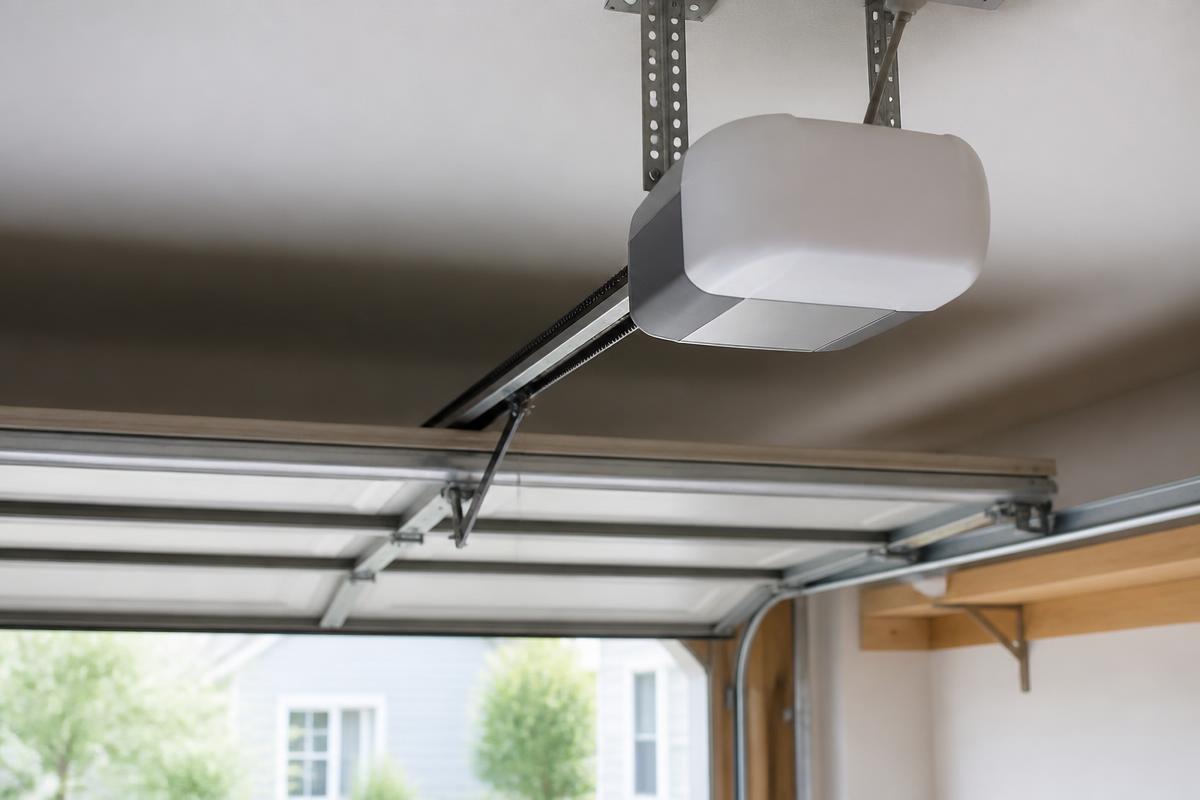
Opener selection depends on the door, the garage and how the space is used. Belt drives run quieter and suit garages beneath living space. Chain drives are durable and cost-effective. Wall-mount jackshaft units free up ceiling space and pair well with high-lift configurations and heavier insulated doors.
A proper installation starts with the door, not the motor. The door is balanced and inspected first, because a new opener installed on an unbalanced door will strain from day one.
Installation includes mounting and structural reinforcement where needed, wiring the wall control and safety sensors, setting travel limits and force, programming remotes and keypads, and walking through the safety features and manual release.
Common signs
- The existing opener is beyond economical repair
- The opener is loud enough to be heard through the house
- No modern safety-reversal or photo-eye system
- You want keypad, remote or smartphone control
- Ceiling space is needed for storage or a lift
- A heavier or insulated door has outgrown the current unit
Common causes
- Age and accumulated cycles on the existing unit
- A door upgrade that increased weight
- Damage from a failed spring or off-track event
- Obsolete controls or unavailable replacement parts
- A desire for quieter operation near bedrooms
- Changing garage layout or storage needs
Our inspection
- Balance and inspect the existing door first
- Measure headroom, backroom and side clearance
- Check ceiling framing and mounting points
- Verify power availability at the unit location
- Assess sensor mounting positions
- Confirm door weight and required operator class
The process
- Review door condition and recommend the right opener type
- Remove the old unit where applicable
- Mount the new operator with proper reinforcement
- Install and wire safety sensors and wall control
- Set travel limits and force, then test reversal
- Program remotes and keypad and review operation with you
Risks of delaying service
- An undersized operator on a heavy door wears out early
- Poor mounting causes vibration, noise and premature failure
- Incorrectly positioned sensors compromise safety
- Skipping the balance check shifts load onto the new motor
Related components
- Operator unit
- Rail or jackshaft assembly
- Photo-eye sensors
- Wall control
- Remotes and keypad
- Mounting hardware and reinforcement
Where this service applies
Attached and detached residential garages, and garages under living space where noise matters.
Frequently asked questions
- Which opener type is quietest?
- Belt-drive and wall-mount jackshaft units generally run quieter than chain drives, which matters most when there is living space above or beside the garage.
- Can a wall-mount opener work on my door?
- Often, but it depends on the door type, spring configuration and available side clearance. That is confirmed during the on-site inspection.
- Will you set up my remotes and keypad?
- Yes. Remotes, the wall control and a keypad are programmed and tested as part of the installation.
New Garage Door Opener Installation near me in Northeast Ohio
Searching for new garage door opener installation near me? Garage Door Medic is a mobile garage door company based in Chardon, Ohio, serving homeowners across Geauga, Lake, Cuyahoga, Portage and Ashtabula counties. Pick your community below for local details, or call 440-478-5350.
New Garage Door Opener Installation in Geauga County County
- New Garage Door Opener Installation Chardon, OH
- New Garage Door Opener Installation Chesterland, OH
- New Garage Door Opener Installation Middlefield, OH
- New Garage Door Opener Installation Burton, OH
- New Garage Door Opener Installation Bainbridge, OH
- New Garage Door Opener Installation Newbury, OH
- New Garage Door Opener Installation Russell Township, OH
- New Garage Door Opener Installation Munson Township, OH
- New Garage Door Opener Installation Auburn Township, OH
- New Garage Door Opener Installation Claridon Township, OH
- New Garage Door Opener Installation Novelty, OH
New Garage Door Opener Installation in Lake County County
- New Garage Door Opener Installation Mentor, OH
- New Garage Door Opener Installation Painesville, OH
- New Garage Door Opener Installation Willoughby, OH
- New Garage Door Opener Installation Eastlake, OH
- New Garage Door Opener Installation Wickliffe, OH
- New Garage Door Opener Installation Willowick, OH
- New Garage Door Opener Installation Kirtland, OH
- New Garage Door Opener Installation Madison, OH
- New Garage Door Opener Installation Perry, OH
- New Garage Door Opener Installation Fairport Harbor, OH
- New Garage Door Opener Installation Concord Township, OH
- New Garage Door Opener Installation Mentor-on-the-Lake, OH
New Garage Door Opener Installation in Cuyahoga County County
- New Garage Door Opener Installation Cleveland, OH
- New Garage Door Opener Installation Euclid, OH
- New Garage Door Opener Installation Cleveland Heights, OH
- New Garage Door Opener Installation University Heights, OH
- New Garage Door Opener Installation Beachwood, OH
- New Garage Door Opener Installation Solon, OH
- New Garage Door Opener Installation Mayfield Heights, OH
- New Garage Door Opener Installation Lyndhurst, OH
- New Garage Door Opener Installation Richmond Heights, OH
- New Garage Door Opener Installation Highland Heights, OH
- New Garage Door Opener Installation Gates Mills, OH
- New Garage Door Opener Installation Pepper Pike, OH
- New Garage Door Opener Installation Orange, OH
- New Garage Door Opener Installation Chagrin Falls, OH
- New Garage Door Opener Installation Bedford, OH
- New Garage Door Opener Installation Garfield Heights, OH
- New Garage Door Opener Installation Parma, OH
- New Garage Door Opener Installation Strongsville, OH
New Garage Door Opener Installation in Portage County County
- New Garage Door Opener Installation Aurora, OH
- New Garage Door Opener Installation Streetsboro, OH
- New Garage Door Opener Installation Ravenna, OH
- New Garage Door Opener Installation Kent, OH
- New Garage Door Opener Installation Mantua, OH
- New Garage Door Opener Installation Garrettsville, OH
- New Garage Door Opener Installation Hiram, OH
- New Garage Door Opener Installation Rootstown, OH
- New Garage Door Opener Installation Windham, OH
- New Garage Door Opener Installation Brimfield, OH
New Garage Door Opener Installation in Ashtabula County County
- New Garage Door Opener Installation Ashtabula, OH
- New Garage Door Opener Installation Geneva, OH
- New Garage Door Opener Installation Conneaut, OH
- New Garage Door Opener Installation Jefferson, OH
- New Garage Door Opener Installation Orwell, OH
- New Garage Door Opener Installation Andover, OH
- New Garage Door Opener Installation North Kingsville, OH
- New Garage Door Opener Installation Saybrook Township, OH
- New Garage Door Opener Installation Austinburg, OH
- New Garage Door Opener Installation Roaming Shores, OH
- New Garage Door Opener Installation Geneva-on-the-Lake, OH
Helpful guides
- 24 hour garage door repair
- Garage door opener installation
- Garage door opener guide
- Troubleshooting guide
- Repair cost guide
- Winter garage door guide
- Common garage door problems