
New Garage Door Installation
New construction, additions, detached garages and outbuildings — measured, specified and installed with the right counterbalance from day one.
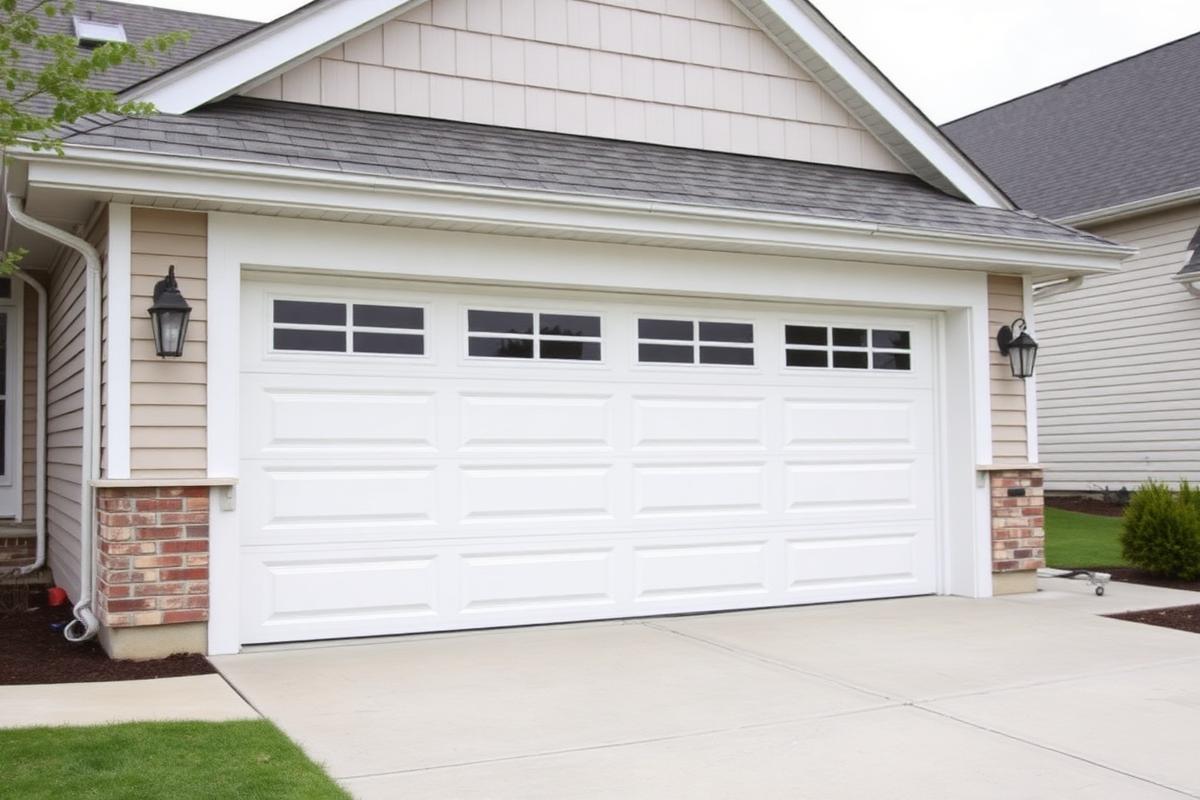
A new installation is a chance to get every detail right: the door style and finish, insulation level, window placement, hardware, and a spring system sized precisely to the finished door weight.
Openings vary more than people expect. Headroom above the opening, backroom depth into the garage, and side clearance for the vertical track all affect what can be installed and whether a standard, low-headroom or high-lift track system is required.
Installation covers framing and jamb verification, track and hardware layout, section assembly, spring sizing and winding, seal installation, and opener mounting and calibration where an opener is part of the project.
Common signs
- New construction or a garage addition
- An opening that has never had a door installed
- A detached garage, barn or outbuilding
- Converting an opening to a functioning garage door
- Replacing a non-standard or homemade door
- Upgrading a workshop or heated garage space
Common causes
- New building or addition project
- Outbuilding conversion to garage or shop use
- Structural changes to an existing opening
- Upgrading from a swing or slide door
- A door removed for renovation work
- Changing to an insulated, quieter system
Our inspection
- Verify rough opening dimensions and squareness
- Confirm headroom, backroom and side clearance
- Check jamb, header and framing readiness
- Determine the required track configuration
- Calculate door weight and spring specification
- Plan opener mounting and power availability
The process
- Site measurement and options review
- Confirm framing and prepare the opening
- Install track, jamb hardware and counterbalance
- Set sections, hinges, rollers and struts
- Wind springs, balance the door and fit seals
- Install and calibrate the opener, then test safety features
Risks of delaying service
- Incorrect spring sizing strains the door and opener
- Out-of-square framing causes binding and seal gaps
- Insufficient headroom requires a different track system
- Poorly anchored track hardware loosens over time
Related components
- Door sections and finish
- Track system
- Torsion spring assembly
- Rollers, hinges and struts
- Weather seals
- Opener and safety sensors
Where this service applies
Residential new builds, additions, detached garages, barns and shops.
Frequently asked questions
- How much headroom does a garage door need?
- It depends on the spring and track system. Standard, low-headroom and high-lift configurations all have different requirements, which is why the opening is measured before anything is ordered.
- Can you install a door in a barn or outbuilding?
- Yes, provided the opening framing can support the track and counterbalance hardware. That is verified during the measurement visit.
- Do you handle both the door and the opener?
- Yes. Door and opener can be installed together and calibrated as one system.
New Garage Door Installation near me in Northeast Ohio
Searching for new garage door installation near me? Garage Door Medic is a mobile garage door company based in Chardon, Ohio, serving homeowners across Geauga, Lake, Cuyahoga, Portage and Ashtabula counties. Pick your community below for local details, or call 440-478-5350.
- New Garage Door Installation in Cleveland, OH
- New Garage Door Installation in Mentor, OH
- New Garage Door Installation in Chardon, OH
- New Garage Door Installation in Chagrin Falls, OH
- New Garage Door Installation in Aurora, OH
- New Garage Door Installation in Solon, OH
- New Garage Door Installation in Painesville, OH
- New Garage Door Installation in Willoughby, OH
- New Garage Door Installation in Chesterland, OH
- New Garage Door Installation in Kirtland, OH
- New Garage Door Installation in Madison, OH
New Garage Door Installation in Geauga County County
- New Garage Door Installation Chardon, OH
- New Garage Door Installation Chesterland, OH
- New Garage Door Installation Middlefield, OH
- New Garage Door Installation Burton, OH
- New Garage Door Installation Bainbridge, OH
- New Garage Door Installation Newbury, OH
- New Garage Door Installation Russell Township, OH
- New Garage Door Installation Munson Township, OH
- New Garage Door Installation Auburn Township, OH
- New Garage Door Installation Claridon Township, OH
- New Garage Door Installation Novelty, OH
New Garage Door Installation in Lake County County
- New Garage Door Installation Mentor, OH
- New Garage Door Installation Painesville, OH
- New Garage Door Installation Willoughby, OH
- New Garage Door Installation Eastlake, OH
- New Garage Door Installation Wickliffe, OH
- New Garage Door Installation Willowick, OH
- New Garage Door Installation Kirtland, OH
- New Garage Door Installation Madison, OH
- New Garage Door Installation Perry, OH
- New Garage Door Installation Fairport Harbor, OH
- New Garage Door Installation Concord Township, OH
- New Garage Door Installation Mentor-on-the-Lake, OH
New Garage Door Installation in Cuyahoga County County
- New Garage Door Installation Cleveland, OH
- New Garage Door Installation Euclid, OH
- New Garage Door Installation Cleveland Heights, OH
- New Garage Door Installation University Heights, OH
- New Garage Door Installation Beachwood, OH
- New Garage Door Installation Solon, OH
- New Garage Door Installation Mayfield Heights, OH
- New Garage Door Installation Lyndhurst, OH
- New Garage Door Installation Richmond Heights, OH
- New Garage Door Installation Highland Heights, OH
- New Garage Door Installation Gates Mills, OH
- New Garage Door Installation Pepper Pike, OH
- New Garage Door Installation Orange, OH
- New Garage Door Installation Chagrin Falls, OH
- New Garage Door Installation Bedford, OH
- New Garage Door Installation Garfield Heights, OH
- New Garage Door Installation Parma, OH
- New Garage Door Installation Strongsville, OH
New Garage Door Installation in Portage County County
- New Garage Door Installation Aurora, OH
- New Garage Door Installation Streetsboro, OH
- New Garage Door Installation Ravenna, OH
- New Garage Door Installation Kent, OH
- New Garage Door Installation Mantua, OH
- New Garage Door Installation Garrettsville, OH
- New Garage Door Installation Hiram, OH
- New Garage Door Installation Rootstown, OH
- New Garage Door Installation Windham, OH
- New Garage Door Installation Brimfield, OH
New Garage Door Installation in Ashtabula County County
- New Garage Door Installation Ashtabula, OH
- New Garage Door Installation Geneva, OH
- New Garage Door Installation Conneaut, OH
- New Garage Door Installation Jefferson, OH
- New Garage Door Installation Orwell, OH
- New Garage Door Installation Andover, OH
- New Garage Door Installation North Kingsville, OH
- New Garage Door Installation Saybrook Township, OH
- New Garage Door Installation Austinburg, OH
- New Garage Door Installation Roaming Shores, OH
- New Garage Door Installation Geneva-on-the-Lake, OH
Helpful guides
- 24 hour garage door repair
- Garage door opener installation
- Garage door opener guide
- Troubleshooting guide
- Repair cost guide
- Winter garage door guide
- Common garage door problems