Garage Door Roller Replacement
Rollers guide the door through the tracks. Worn rollers are one of the most common reasons a garage door becomes loud, rough or jerky.
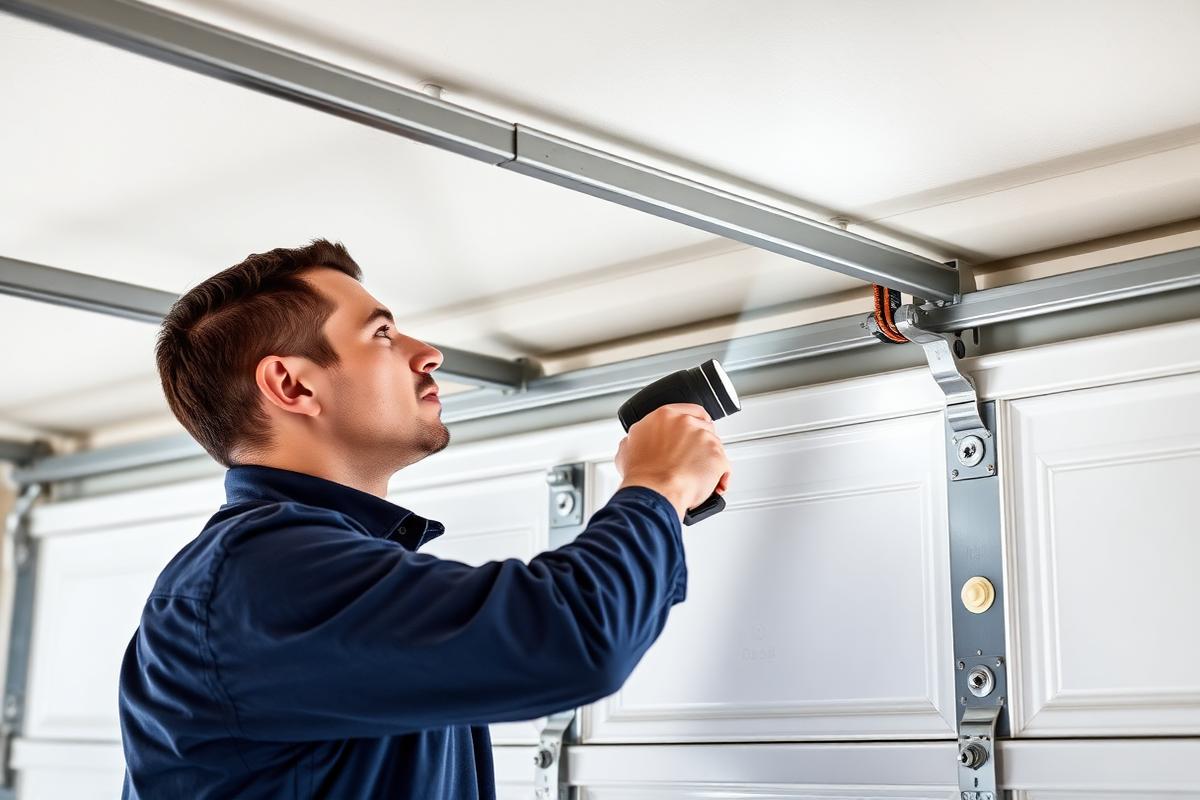
Every section of a garage door rides on rollers seated in the vertical and horizontal tracks. Steel rollers with exposed bearings wear quickly and become noisy; nylon rollers with sealed bearings generally run quieter and last longer.
Because rollers wear gradually, most people do not notice the change until the door becomes noticeably loud or begins to shudder. By that point the stems can be bent, the bearings dry, and the tracks are taking extra wear from a door that is no longer tracking cleanly.
Roller replacement includes inspecting each roller and hinge, checking stem condition, verifying track alignment, and lubricating the system so the door runs quietly again.
Common signs
- Grinding, rattling or squealing during travel
- Visible cracks or flat spots on roller wheels
- Rollers wobbling or tipping in the track
- The door shudders or hesitates as it moves
- Metal shavings or dust below the tracks
- A door that feels rough when operated by hand
Common causes
- Normal bearing wear over thousands of cycles
- Lack of lubrication on the roller stems and bearings
- Bent tracks forcing rollers out of alignment
- Corrosion from moisture and salt exposure
- Low-grade original rollers on builder-grade doors
- Damage from a previous off-track event
Our inspection
- Inspect every roller and stem for wear
- Check hinge condition at each section joint
- Verify track alignment and spacing
- Check top-fixture and bracket adjustment
- Test door travel by hand for binding
- Confirm opener force after replacement
The process
- Secure the door before removing hardware
- Replace rollers section by section
- Inspect and replace any damaged hinges found
- Adjust track spacing where needed
- Lubricate appropriate moving components
- Test operation and reversal with the opener
Risks of delaying service
- A cracked roller can leave the track and cause the door to bind
- Worn rollers place extra load on hinges and the opener
- Damaged stems can score and bend the track
- Continued operation increases the chance of an off-track door
Related components
- Rollers
- Hinges
- Vertical and horizontal tracks
- Top fixtures
- Track brackets
Where this service applies
Residential sectional doors, including higher-cycle rollers for doors used many times per day.
Frequently asked questions
- How often do garage door rollers need to be replaced?
- It depends on roller type and how often the door is used. Rollers are inspected during any tune-up, and replacement is recommended once bearings are worn, wheels are cracked, or stems are bent.
- Will new rollers make my door quieter?
- In many cases yes, especially when worn steel rollers are replaced with quality nylon rollers and the system is properly lubricated. Noise from loose hardware or an unbalanced door is addressed separately.
- Do all rollers get replaced at once?
- Usually. Rollers on the same door have accumulated the same cycles, so replacing them as a set keeps travel smooth and even.
Garage Door Roller Replacement near me in Northeast Ohio
Searching for garage door roller replacement near me? Garage Door Medic is a mobile garage door company based in Chardon, Ohio, serving homeowners across Geauga, Lake, Cuyahoga, Portage and Ashtabula counties. Pick your community below for local details, or call 440-478-5350.
Garage Door Roller Replacement in Geauga County County
- Garage Door Roller Replacement Chardon, OH
- Garage Door Roller Replacement Chesterland, OH
- Garage Door Roller Replacement Middlefield, OH
- Garage Door Roller Replacement Burton, OH
- Garage Door Roller Replacement Bainbridge, OH
- Garage Door Roller Replacement Newbury, OH
- Garage Door Roller Replacement Russell Township, OH
- Garage Door Roller Replacement Munson Township, OH
- Garage Door Roller Replacement Auburn Township, OH
- Garage Door Roller Replacement Claridon Township, OH
- Garage Door Roller Replacement Novelty, OH
Garage Door Roller Replacement in Lake County County
- Garage Door Roller Replacement Mentor, OH
- Garage Door Roller Replacement Painesville, OH
- Garage Door Roller Replacement Willoughby, OH
- Garage Door Roller Replacement Eastlake, OH
- Garage Door Roller Replacement Wickliffe, OH
- Garage Door Roller Replacement Willowick, OH
- Garage Door Roller Replacement Kirtland, OH
- Garage Door Roller Replacement Madison, OH
- Garage Door Roller Replacement Perry, OH
- Garage Door Roller Replacement Fairport Harbor, OH
- Garage Door Roller Replacement Concord Township, OH
- Garage Door Roller Replacement Mentor-on-the-Lake, OH
Garage Door Roller Replacement in Cuyahoga County County
- Garage Door Roller Replacement Cleveland, OH
- Garage Door Roller Replacement Euclid, OH
- Garage Door Roller Replacement Cleveland Heights, OH
- Garage Door Roller Replacement University Heights, OH
- Garage Door Roller Replacement Beachwood, OH
- Garage Door Roller Replacement Solon, OH
- Garage Door Roller Replacement Mayfield Heights, OH
- Garage Door Roller Replacement Lyndhurst, OH
- Garage Door Roller Replacement Richmond Heights, OH
- Garage Door Roller Replacement Highland Heights, OH
- Garage Door Roller Replacement Gates Mills, OH
- Garage Door Roller Replacement Pepper Pike, OH
- Garage Door Roller Replacement Orange, OH
- Garage Door Roller Replacement Chagrin Falls, OH
- Garage Door Roller Replacement Bedford, OH
- Garage Door Roller Replacement Garfield Heights, OH
- Garage Door Roller Replacement Parma, OH
- Garage Door Roller Replacement Strongsville, OH
Garage Door Roller Replacement in Portage County County
- Garage Door Roller Replacement Aurora, OH
- Garage Door Roller Replacement Streetsboro, OH
- Garage Door Roller Replacement Ravenna, OH
- Garage Door Roller Replacement Kent, OH
- Garage Door Roller Replacement Mantua, OH
- Garage Door Roller Replacement Garrettsville, OH
- Garage Door Roller Replacement Hiram, OH
- Garage Door Roller Replacement Rootstown, OH
- Garage Door Roller Replacement Windham, OH
- Garage Door Roller Replacement Brimfield, OH
Garage Door Roller Replacement in Ashtabula County County
- Garage Door Roller Replacement Ashtabula, OH
- Garage Door Roller Replacement Geneva, OH
- Garage Door Roller Replacement Conneaut, OH
- Garage Door Roller Replacement Jefferson, OH
- Garage Door Roller Replacement Orwell, OH
- Garage Door Roller Replacement Andover, OH
- Garage Door Roller Replacement North Kingsville, OH
- Garage Door Roller Replacement Saybrook Township, OH
- Garage Door Roller Replacement Austinburg, OH
- Garage Door Roller Replacement Roaming Shores, OH
- Garage Door Roller Replacement Geneva-on-the-Lake, OH
Helpful guides
- 24 hour garage door repair
- Garage door opener installation
- Garage door opener guide
- Troubleshooting guide
- Repair cost guide
- Winter garage door guide
- Common garage door problems