
Garage Door Bottom Seal Replacement
The bottom seal is the barrier between the door and the floor. When it flattens, tears or freezes, water and cold air come straight in.
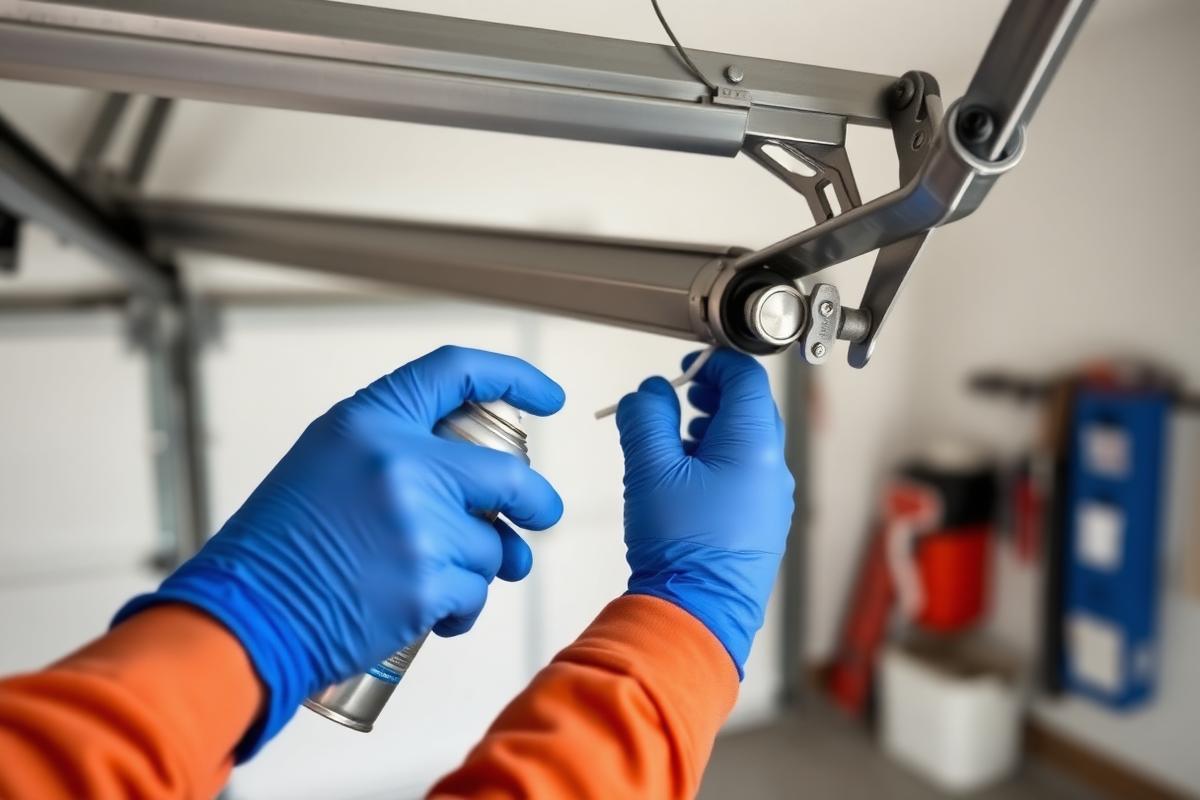
The bottom seal, or astragal, slides into a retainer along the bottom edge of the door and compresses against the floor when the door closes. It handles the toughest conditions on the whole door: standing water, ice, road salt tracked in by vehicles, and constant compression.
Uneven floors make the problem worse. A slab that has settled or a driveway apron that slopes can leave a persistent gap on one side even when the seal itself is intact.
Replacement includes inspecting the retainer, choosing a seal profile suited to the floor condition, and confirming that the door's closing position lets the seal compress evenly without over-compressing and holding the door up.
Common signs
- Water running under the closed door
- A visible gap at the floor line
- The seal is flattened, torn or missing sections
- Snow or leaves collecting inside the door
- The seal freezes to the floor in winter
- Rodents or insects entering under the door
Common causes
- Compression set from years of closing
- Ice bonding the seal to the slab and tearing it
- Road salt and moisture degrading the material
- An uneven or settled garage floor
- A damaged or corroded retainer
- Opener down-limit set too high or too low
Our inspection
- Inspect the seal and retainer along the full width
- Check the floor for slope, settling or damage
- Verify the door closes level to the floor
- Check opener down-limit setting
- Inspect the bottom section for damage
- Review threshold options if the floor is uneven
The process
- Measure width and identify the retainer profile
- Remove the old seal and clean the retainer
- Repair or replace a damaged retainer
- Install the correct seal profile
- Adjust the opener down-limit for even compression
- Test closing and confirm the gap is sealed
Risks of delaying service
- Water intrusion damages stored items and promotes rust
- Ice under the door can prevent full closing
- Salt-laden moisture accelerates hardware corrosion
- Gaps invite pests into the garage
Related components
- Bottom seal / astragal
- Bottom retainer
- Bottom section and brackets
- Threshold seal
- Opener down-limit setting
Where this service applies
Residential garages, especially those with sloped or settled slabs or doors exposed to standing water.
Frequently asked questions
- Why does water still come in with a new bottom seal?
- Usually the floor is uneven or slopes toward the garage. A different seal profile or a floor threshold is often the fix.
- Can the bottom seal freeze to the floor?
- Yes, and forcing the opener can tear the seal or strain the door. Freeing the ice first and replacing a damaged seal is the correct approach.
- Is the bottom seal the same as the weather stripping on the sides?
- No. The bottom seal sits in a retainer on the door itself; perimeter weather seal attaches to the jambs and header.
Garage Door Bottom Seal Replacement near me in Northeast Ohio
Searching for garage door bottom seal replacement near me? Garage Door Medic is a mobile garage door company based in Chardon, Ohio, serving homeowners across Geauga, Lake, Cuyahoga, Portage and Ashtabula counties. Pick your community below for local details, or call 440-478-5350.
Garage Door Bottom Seal Replacement in Geauga County County
- Garage Door Bottom Seal Replacement Chardon, OH
- Garage Door Bottom Seal Replacement Chesterland, OH
- Garage Door Bottom Seal Replacement Middlefield, OH
- Garage Door Bottom Seal Replacement Burton, OH
- Garage Door Bottom Seal Replacement Bainbridge, OH
- Garage Door Bottom Seal Replacement Newbury, OH
- Garage Door Bottom Seal Replacement Russell Township, OH
- Garage Door Bottom Seal Replacement Munson Township, OH
- Garage Door Bottom Seal Replacement Auburn Township, OH
- Garage Door Bottom Seal Replacement Claridon Township, OH
- Garage Door Bottom Seal Replacement Novelty, OH
Garage Door Bottom Seal Replacement in Lake County County
- Garage Door Bottom Seal Replacement Mentor, OH
- Garage Door Bottom Seal Replacement Painesville, OH
- Garage Door Bottom Seal Replacement Willoughby, OH
- Garage Door Bottom Seal Replacement Eastlake, OH
- Garage Door Bottom Seal Replacement Wickliffe, OH
- Garage Door Bottom Seal Replacement Willowick, OH
- Garage Door Bottom Seal Replacement Kirtland, OH
- Garage Door Bottom Seal Replacement Madison, OH
- Garage Door Bottom Seal Replacement Perry, OH
- Garage Door Bottom Seal Replacement Fairport Harbor, OH
- Garage Door Bottom Seal Replacement Concord Township, OH
- Garage Door Bottom Seal Replacement Mentor-on-the-Lake, OH
Garage Door Bottom Seal Replacement in Cuyahoga County County
- Garage Door Bottom Seal Replacement Cleveland, OH
- Garage Door Bottom Seal Replacement Euclid, OH
- Garage Door Bottom Seal Replacement Cleveland Heights, OH
- Garage Door Bottom Seal Replacement University Heights, OH
- Garage Door Bottom Seal Replacement Beachwood, OH
- Garage Door Bottom Seal Replacement Solon, OH
- Garage Door Bottom Seal Replacement Mayfield Heights, OH
- Garage Door Bottom Seal Replacement Lyndhurst, OH
- Garage Door Bottom Seal Replacement Richmond Heights, OH
- Garage Door Bottom Seal Replacement Highland Heights, OH
- Garage Door Bottom Seal Replacement Gates Mills, OH
- Garage Door Bottom Seal Replacement Pepper Pike, OH
- Garage Door Bottom Seal Replacement Orange, OH
- Garage Door Bottom Seal Replacement Chagrin Falls, OH
- Garage Door Bottom Seal Replacement Bedford, OH
- Garage Door Bottom Seal Replacement Garfield Heights, OH
- Garage Door Bottom Seal Replacement Parma, OH
- Garage Door Bottom Seal Replacement Strongsville, OH
Garage Door Bottom Seal Replacement in Portage County County
- Garage Door Bottom Seal Replacement Aurora, OH
- Garage Door Bottom Seal Replacement Streetsboro, OH
- Garage Door Bottom Seal Replacement Ravenna, OH
- Garage Door Bottom Seal Replacement Kent, OH
- Garage Door Bottom Seal Replacement Mantua, OH
- Garage Door Bottom Seal Replacement Garrettsville, OH
- Garage Door Bottom Seal Replacement Hiram, OH
- Garage Door Bottom Seal Replacement Rootstown, OH
- Garage Door Bottom Seal Replacement Windham, OH
- Garage Door Bottom Seal Replacement Brimfield, OH
Garage Door Bottom Seal Replacement in Ashtabula County County
- Garage Door Bottom Seal Replacement Ashtabula, OH
- Garage Door Bottom Seal Replacement Geneva, OH
- Garage Door Bottom Seal Replacement Conneaut, OH
- Garage Door Bottom Seal Replacement Jefferson, OH
- Garage Door Bottom Seal Replacement Orwell, OH
- Garage Door Bottom Seal Replacement Andover, OH
- Garage Door Bottom Seal Replacement North Kingsville, OH
- Garage Door Bottom Seal Replacement Saybrook Township, OH
- Garage Door Bottom Seal Replacement Austinburg, OH
- Garage Door Bottom Seal Replacement Roaming Shores, OH
- Garage Door Bottom Seal Replacement Geneva-on-the-Lake, OH
Helpful guides
- 24 hour garage door repair
- Garage door opener installation
- Garage door opener guide
- Troubleshooting guide
- Repair cost guide
- Winter garage door guide
- Common garage door problems