
Garage Door Weather Seal Replacement
Perimeter seals along the jambs and header keep wind, rain, snow and debris out of the garage — and they wear out long before the door does.
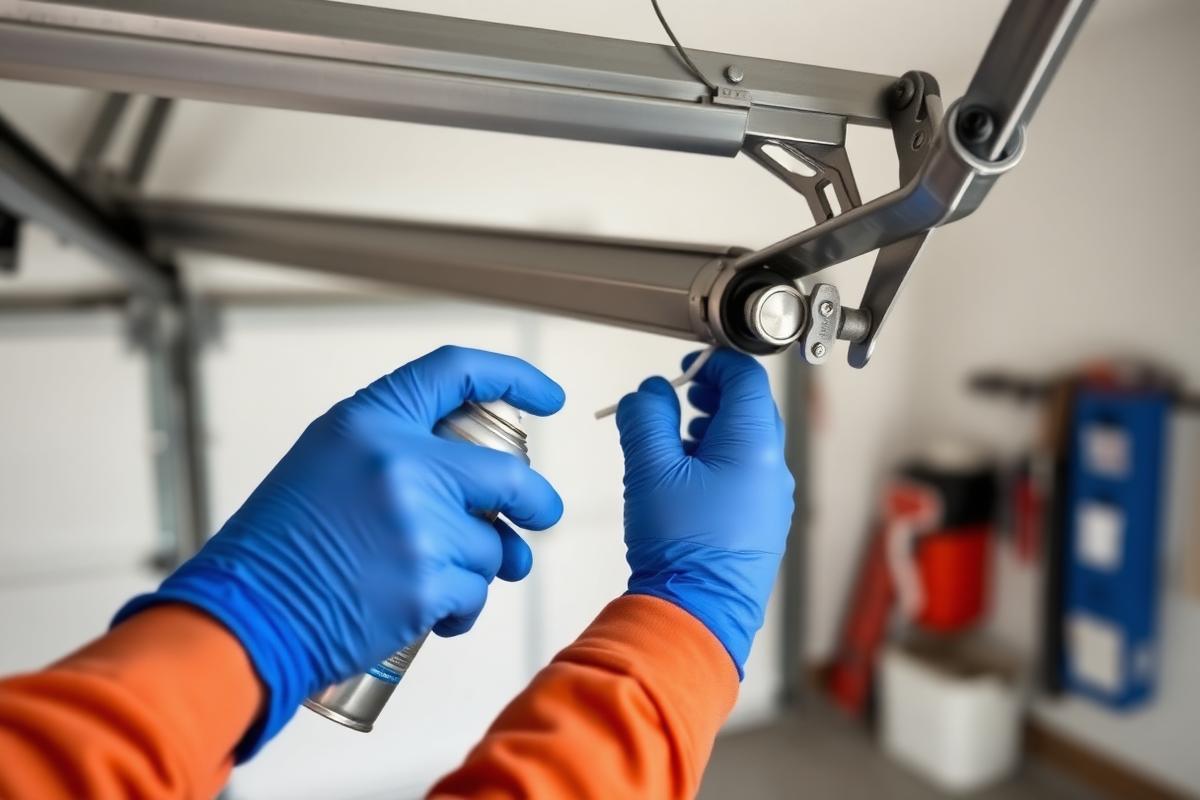
Weather seals run along both jambs and across the header, pressing against the face of the door when it is closed. They are usually a vinyl or rubber bulb attached to stop molding, and they take direct exposure to sun, ice and temperature swings.
As the material ages it hardens, cracks and shrinks. In cold weather a brittle seal loses contact entirely, which is when daylight gaps, blowing snow and drafts become obvious.
Replacement includes checking the jamb and header condition, verifying that the door is square in the opening, and installing new stop molding or seal so it makes consistent contact along the full perimeter.
Common signs
- Daylight visible around the closed door
- Snow, leaves or water blowing into the garage
- Seals that are cracked, brittle or torn
- Noticeable draft near the garage door
- The seal has pulled away from the molding
- Insects or rodents getting in around the edges
Common causes
- Ultraviolet exposure degrading the material
- Freeze-and-thaw cycles hardening the seal
- A door that is out of square in the opening
- Impact or snow-removal damage
- Old stop molding warping or rotting
- Normal aging of vinyl and rubber
Our inspection
- Inspect the seal along both jambs and the header
- Check for daylight with the door closed
- Verify the door is square in the opening
- Inspect stop molding and jamb condition
- Check the bottom seal and threshold as well
- Confirm the door closes fully and evenly
The process
- Measure the opening and confirm seal type
- Remove old seal and damaged molding
- Correct door squareness where needed
- Install new seal with consistent compression
- Verify full contact along the perimeter
- Test door operation and closing position
Risks of delaying service
- Moisture entering the garage promotes corrosion on hardware
- Drafts make attached garages and adjoining rooms colder
- Blowing debris accumulates in the tracks
- Ice can build at the opening and interfere with closing
Related components
- Perimeter weather seal
- Stop molding
- Header seal
- Door jambs
- Bottom seal and threshold
Where this service applies
Residential attached and detached garages, especially openings exposed to wind-driven rain and snow.
Frequently asked questions
- How long do garage door weather seals last?
- It varies with exposure. Seals on sun- and wind-exposed openings harden faster, and Northeast Ohio freeze-and-thaw cycles shorten the useful life compared with milder climates.
- Can seals be replaced without replacing the door?
- Yes. Perimeter seal and stop molding are separate from the door and are commonly replaced on their own.
- Will new seals stop all drafts?
- They substantially reduce air and water intrusion, but a door that is out of square or has a damaged bottom seal needs those issues addressed too.
Garage Door Weather Seal Replacement near me in Northeast Ohio
Searching for garage door weather seal replacement near me? Garage Door Medic is a mobile garage door company based in Chardon, Ohio, serving homeowners across Geauga, Lake, Cuyahoga, Portage and Ashtabula counties. Pick your community below for local details, or call 440-478-5350.
Garage Door Weather Seal Replacement in Geauga County County
- Garage Door Weather Seal Replacement Chardon, OH
- Garage Door Weather Seal Replacement Chesterland, OH
- Garage Door Weather Seal Replacement Middlefield, OH
- Garage Door Weather Seal Replacement Burton, OH
- Garage Door Weather Seal Replacement Bainbridge, OH
- Garage Door Weather Seal Replacement Newbury, OH
- Garage Door Weather Seal Replacement Russell Township, OH
- Garage Door Weather Seal Replacement Munson Township, OH
- Garage Door Weather Seal Replacement Auburn Township, OH
- Garage Door Weather Seal Replacement Claridon Township, OH
- Garage Door Weather Seal Replacement Novelty, OH
Garage Door Weather Seal Replacement in Lake County County
- Garage Door Weather Seal Replacement Mentor, OH
- Garage Door Weather Seal Replacement Painesville, OH
- Garage Door Weather Seal Replacement Willoughby, OH
- Garage Door Weather Seal Replacement Eastlake, OH
- Garage Door Weather Seal Replacement Wickliffe, OH
- Garage Door Weather Seal Replacement Willowick, OH
- Garage Door Weather Seal Replacement Kirtland, OH
- Garage Door Weather Seal Replacement Madison, OH
- Garage Door Weather Seal Replacement Perry, OH
- Garage Door Weather Seal Replacement Fairport Harbor, OH
- Garage Door Weather Seal Replacement Concord Township, OH
- Garage Door Weather Seal Replacement Mentor-on-the-Lake, OH
Garage Door Weather Seal Replacement in Cuyahoga County County
- Garage Door Weather Seal Replacement Cleveland, OH
- Garage Door Weather Seal Replacement Euclid, OH
- Garage Door Weather Seal Replacement Cleveland Heights, OH
- Garage Door Weather Seal Replacement University Heights, OH
- Garage Door Weather Seal Replacement Beachwood, OH
- Garage Door Weather Seal Replacement Solon, OH
- Garage Door Weather Seal Replacement Mayfield Heights, OH
- Garage Door Weather Seal Replacement Lyndhurst, OH
- Garage Door Weather Seal Replacement Richmond Heights, OH
- Garage Door Weather Seal Replacement Highland Heights, OH
- Garage Door Weather Seal Replacement Gates Mills, OH
- Garage Door Weather Seal Replacement Pepper Pike, OH
- Garage Door Weather Seal Replacement Orange, OH
- Garage Door Weather Seal Replacement Chagrin Falls, OH
- Garage Door Weather Seal Replacement Bedford, OH
- Garage Door Weather Seal Replacement Garfield Heights, OH
- Garage Door Weather Seal Replacement Parma, OH
- Garage Door Weather Seal Replacement Strongsville, OH
Garage Door Weather Seal Replacement in Portage County County
- Garage Door Weather Seal Replacement Aurora, OH
- Garage Door Weather Seal Replacement Streetsboro, OH
- Garage Door Weather Seal Replacement Ravenna, OH
- Garage Door Weather Seal Replacement Kent, OH
- Garage Door Weather Seal Replacement Mantua, OH
- Garage Door Weather Seal Replacement Garrettsville, OH
- Garage Door Weather Seal Replacement Hiram, OH
- Garage Door Weather Seal Replacement Rootstown, OH
- Garage Door Weather Seal Replacement Windham, OH
- Garage Door Weather Seal Replacement Brimfield, OH
Garage Door Weather Seal Replacement in Ashtabula County County
- Garage Door Weather Seal Replacement Ashtabula, OH
- Garage Door Weather Seal Replacement Geneva, OH
- Garage Door Weather Seal Replacement Conneaut, OH
- Garage Door Weather Seal Replacement Jefferson, OH
- Garage Door Weather Seal Replacement Orwell, OH
- Garage Door Weather Seal Replacement Andover, OH
- Garage Door Weather Seal Replacement North Kingsville, OH
- Garage Door Weather Seal Replacement Saybrook Township, OH
- Garage Door Weather Seal Replacement Austinburg, OH
- Garage Door Weather Seal Replacement Roaming Shores, OH
- Garage Door Weather Seal Replacement Geneva-on-the-Lake, OH
Helpful guides
- 24 hour garage door repair
- Garage door opener installation
- Garage door opener guide
- Troubleshooting guide
- Repair cost guide
- Winter garage door guide
- Common garage door problems